Prove it on one truck first
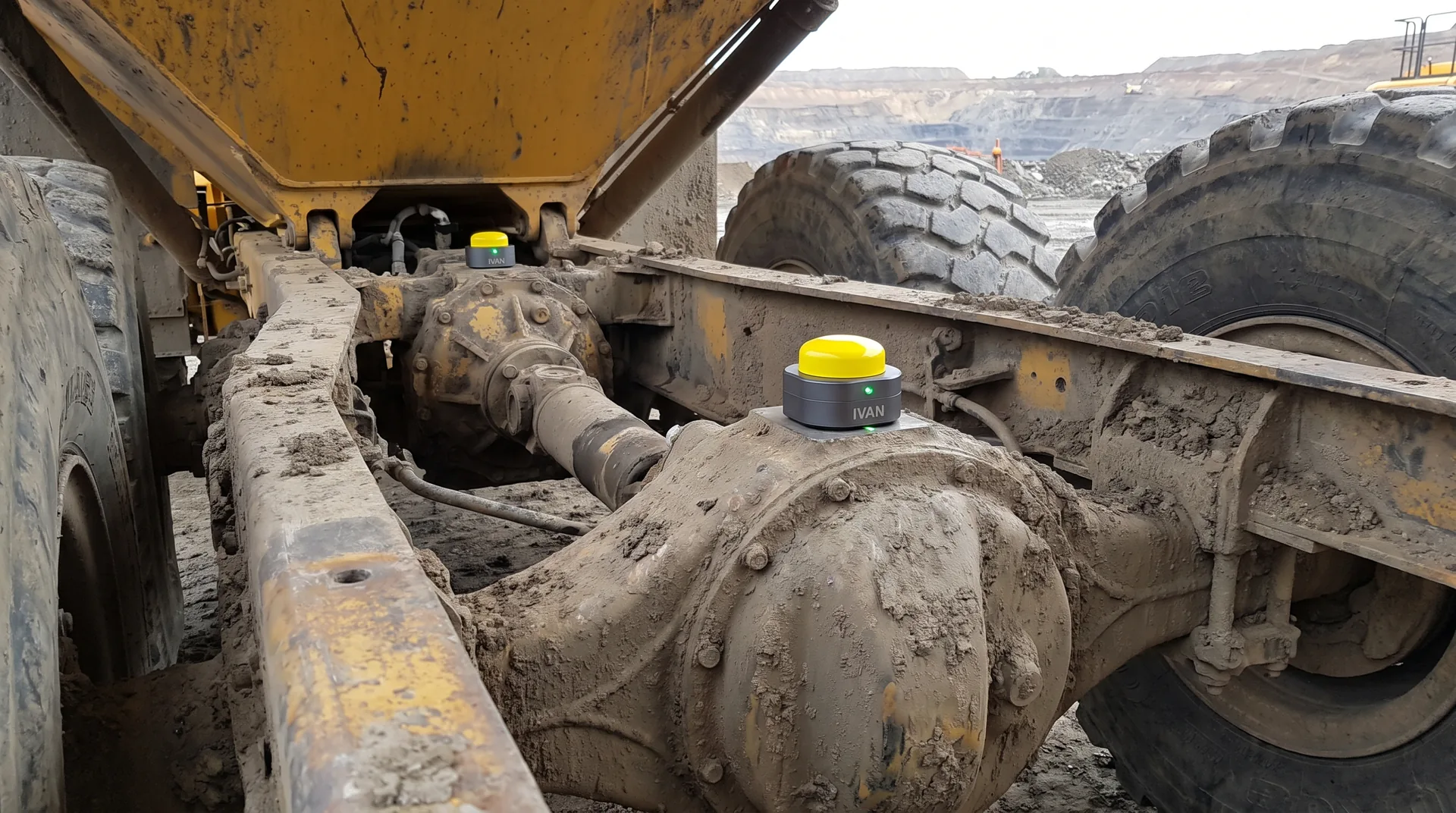
Before you commit a fleet to anything, put the system on a single working machine and see what it finds. We fit the sensors and the hub, watch the drivetrain for thirty days while the truck does its normal shifts, and come back to the site to show you what was there. There is no invoice at the end of it.
One vehicle
A second by agreement. We would rather do one machine properly than four badly.
Thirty days
Of collection, after a week of shakedown. The truck works its normal shifts throughout.
No fee, either way
We provide the sensors, the hub, the installation and the analysis. You are not invoiced, and you are not paid for access.
Six steps, none of them a surprise
Roughly six to eight weeks from the first visit to the report, and the machine works normally throughout.
-
1
Site visit
Half a day
We look at the machine, confirm what is accessible, check the diagnostic connector and agree whether a pilot is worth running. No commitment on either side until after this.
-
2
Mounting survey
Half a day
We agree every sensor position with your mechanics and record it in writing before anything is fitted.
-
3
Installation
A few hours
Sensors on the drivetrain and the hub in the cab. Nothing is drilled, cut or modified without your explicit agreement.
-
4
Shakedown
One week
The configuration is settled against real work, because a bench setting rarely survives a haul road.
-
5
Collection
Thirty days
The truck runs normally. If we see something we think is a developing fault, you hear about it the same week — we do not hold findings back for the report.
-
6
Report back
Half a day
We come to the site and show you what was collected, what it shows and what it does not support.
What each side brings
A pilot is an exchange, and it is a short list on both sides. Everything below is settled in writing before anything is fitted.
We provide
- The IVAN sensors and the Firefly hub, which stay ours
- The mounting survey, the installation and the removal
- The cloud analysis and a named engineer for the duration
- Written bench evidence that the bus tap cannot transmit, before anything goes near the machine
At no charge. The hardware stays ours and comes off at the end unless you want it left on.
You provide
- One working machine, doing its normal work, unchanged
- Access to the site for the survey, the install, two collection visits and removal
- A named contact who can schedule access and approve mounting positions
Nothing about how the machine is used, maintained or serviced needs to change for the pilot.
Before you ask
The hub connects to the J1939 diagnostic port through a pass-through Y-cable and listens only — it cannot transmit onto your bus. We bring you the bench verification record before anything goes near the machine. Nothing is drilled, cut, spliced or welded without your explicit written agreement. The full answer is on the system page.
Tell us about the machines
Six fields that matter and a few that help. We read every one of these ourselves.
Already past the pilot stage? The full deployment programme runs the same way at fleet scale.